

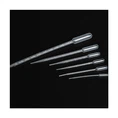
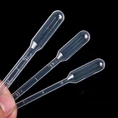
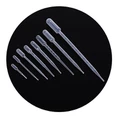
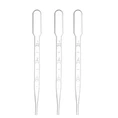
Plastic droppers are manufactured from materials such as PE and PET; they are an indispensable consumable in laboratories, food research, the pharmaceutical industry, and other sectors. They offer advantages such as low cost and ease of use.
1. When using a plastic dropper, pinch the bulb at the top with your fingers to expel the air inside; then, insert the dropper into the reagent bottle and release your fingers to draw up the liquid.
2. After drawing up liquid, the dropper should be held with the bulbous end facing upward; do not lay it flat or invert it, as this prevents the solution from flowing back out.
3. When dispensing liquid, hold the dropper suspended above the beaker without allowing it to touch the beaker's inner wall; this prevents contamination of the dropper or the reagent.
4. Do not place the dropper directly on the laboratory bench or other surfaces, as this may contaminate the dropper.
5. Used droppers should be rinsed immediately with clean water to prepare them for reuse.
6. It is strictly forbidden to use an unrinsed dropper to draw up a different reagent (Note: Droppers attached to reagent bottles should not be rinsed with water).
7. Most plastic droppers are intended for single use. If the liquid drawn up poses a biological hazard, the plastic dropper should be discarded into a yellow biohazard waste bag to prevent laboratory contamination.