


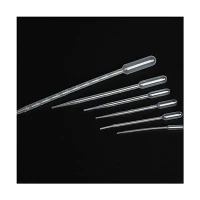


Hey there! As a supplier of Jumbo Glass Test Tubes, I often get asked if these big guys can be used for electrochemical reactions. Well, let's dive right into it and find out.
First off, what are electrochemical reactions? In simple terms, they involve the conversion of chemical energy into electrical energy or vice versa. Think of batteries, fuel cells, and electroplating – all these processes rely on electrochemical reactions. Now, can our Jumbo Glass Test Tubes play a role in such reactions?
Suitability of Jumbo Glass Test Tubes for Electrochemical Reactions
One of the key factors to consider is the material of the test tubes. Our Jumbo Glass Test Tubes are made of high - quality glass, which is generally inert. This means it doesn't react with most of the chemicals commonly used in electrochemical setups. For example, in a typical electrochemical cell where you might have a metal electrode and an electrolyte solution, the glass won't interfere with the chemical reactions taking place inside.
Another important aspect is the size. Jumbo Glass Test Tubes offer a relatively large volume. This can be a huge advantage in electrochemical reactions. If you're conducting experiments that require a large amount of electrolyte or if you're working with bulky electrodes, the extra space in these test tubes can accommodate them easily. You won't have to worry about the solution overflowing or the electrodes not fitting properly.
However, there are also some potential challenges. Glass is a good insulator, which is great in some ways as it can prevent unwanted electrical conduction through the walls of the test tube. But in some electrochemical setups, you might need to have a good electrical connection between different parts of the cell. If the test tube is too thick or the glass has a high resistance, it could affect the efficiency of the reaction.
Comparison with Other Types of Test Tubes
Let's compare our Jumbo Glass Test Tubes with some other types of test tubes available in the market.
Long Glass Test Tubes
Long Glass Test Tubes are often used in laboratories for various purposes. They are great for reactions that require a long reaction path or for observing the formation of layers in a solution. But when it comes to electrochemical reactions, the long and narrow shape might not be as practical as our Jumbo Glass Test Tubes. The large volume of the Jumbo tubes allows for better mixing of the electrolyte and easier placement of electrodes.
Glass Tubes with Caps
Glass Tubes with Caps are useful for keeping the contents of the tube sealed. In electrochemical reactions, this can be important if you're working with volatile or reactive substances. However, the caps might add an extra layer of complexity when it comes to setting up the electrodes and making electrical connections. Our Jumbo Glass Test Tubes, on the other hand, can be easily adapted to different setups without the need for a cap in most cases.
Laboratory Glass Test Tubes
Laboratory Glass Test Tubes come in various sizes and shapes. While they are versatile, the Jumbo Glass Test Tubes offer a unique advantage in terms of volume. If you're conducting large - scale electrochemical experiments or if you need to work with a large amount of reactants, the Jumbo tubes are a better choice.
Practical Applications in Electrochemical Reactions
There are several practical applications where our Jumbo Glass Test Tubes can be used in electrochemical reactions.
Battery Testing
When testing the performance of batteries, you need a container that can hold the electrolyte and the electrodes. The large volume of our Jumbo Glass Test Tubes allows for a more accurate representation of the battery's behavior. You can test different electrode materials and electrolyte concentrations easily in these tubes.
Electroplating
In electroplating, you need to immerse the object to be plated and the anode in an electrolyte solution. The Jumbo Glass Test Tubes provide enough space to hold the solution and the objects, making it easier to control the plating process.
Fuel Cell Research
Fuel cells are an important area of research for clean energy. Our Jumbo Glass Test Tubes can be used to study the electrochemical reactions that occur in fuel cells. You can test different catalysts and electrode configurations in these tubes to optimize the performance of the fuel cell.


Considerations for Using Jumbo Glass Test Tubes in Electrochemical Reactions
If you're planning to use our Jumbo Glass Test Tubes for electrochemical reactions, there are a few things you should keep in mind.
First, make sure the electrodes are properly placed in the tube. You want to ensure good contact between the electrodes and the electrolyte to get accurate results. Also, be careful when handling the test tubes, as glass can break easily.
Second, consider the temperature of the reaction. Glass can expand and contract with temperature changes, so you need to make sure the temperature doesn't cause the tube to crack.
Finally, clean the test tubes thoroughly before and after each use. Any residue from previous reactions can affect the results of the next experiment.
Conclusion
In conclusion, our Jumbo Glass Test Tubes can definitely be used for electrochemical reactions. They offer a large volume, are made of inert glass, and can be easily adapted to different setups. While there are some challenges to consider, with proper care and setup, they can be a valuable tool in your electrochemical experiments.
If you're interested in purchasing our Jumbo Glass Test Tubes for your electrochemical research or other laboratory needs, feel free to reach out for a purchase negotiation. We're here to help you find the best solutions for your experiments.
References
- Electrochemistry textbooks
- Laboratory manuals on electrochemical experiments