

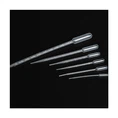
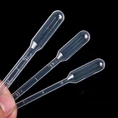
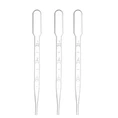
High Transparency: Facilitates clear, visual observation of experimental processes or the condition of contents-often the primary criterion when selecting glass materials.
Heat Resistance and Chemical Stability: Constructed from high-borosilicate glass, capable of withstanding high temperatures as well as strong acidic and alkaline environments, thereby minimizing the risk of breakage or unwanted chemical reactions.
Structural Design: Features a slender, cylindrical body paired with a wide-mouth opening, facilitating the addition, stirring, and retrieval of samples, while also ensuring compatibility with accessories such as stoppers and clamps.
Safety Redundancy: Certain high-end test tubes incorporate a double-walled structure; the outer layer serves to provide thermal insulation, explosion protection, and contamination prevention, thereby enhancing operational safety.
Lightweight and Easy to Clean: The thin-walled design strikes an optimal balance between structural strength and weight, while the smooth inner surface allows for easy rinsing, effectively preventing residual contamination.