

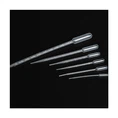
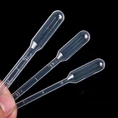
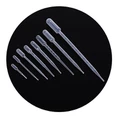
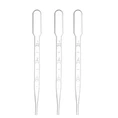
Maintenance procedures for Pasteur pipettes include immediate cleaning after use, selecting cleaning methods based on material type, avoiding physical damage, proper sterilization and disinfection, dry storage, and adherence to proper disposal protocols. Specific details are as follows:
Immediate Cleaning After Use: Pasteur pipettes must be cleaned immediately after each use to prevent cross-contamination and to ensure that no residual liquid remains on the inner walls. Place the pipettes into a cleaning basin, add an appropriate amount of biological cleaning agent, and rinse thoroughly with tap water or deionized water.
Selecting Cleaning Methods Based on Material
Plastic Pasteur Pipettes: These may be soaked in 70% acetic acid for 15 minutes, followed by a thorough rinse to ensure complete removal of the acid.
Glass Pasteur Pipettes: These require thorough rinsing to prevent residue accumulation. They are suitable for repeated sterilization; however, one must strictly adhere to specific sterilization protocols-either dry heat (160°C for 2 hours) or high-pressure steam (121°C for 15 minutes). Simple wiping with alcohol is insufficient to meet sterility requirements.
Avoiding Physical Damage
Disposable, pre-sterilized Pasteur pipettes are designed for single use only. Reusing them significantly increases the risk of cross-contamination; therefore, their reuse is strictly prohibited in sensitive experimental applications, such as cell culture or PCR.
Prolonged exposure to humid or high-temperature environments can cause plastic straws to deform or harbor bacteria. After use, they should be sorted for proper disposal: infectious waste requires autoclaving, while ordinary plastic straws should be recycled to minimize environmental pollution.
Proper Sterilization and Disinfection
High-Temperature and High-Pressure Sterilization: Place the Pasteur pipettes requiring sterilization into an autoclave (high-pressure steam sterilizer). Add an appropriate amount of water, ensuring the water level exceeds the indicator line marked on the machine. Close the door, connect the power supply, and start the machine by following the operating procedures outlined in the user manual. Wait for the sterilization cycle to complete; once the machine indicates that the sterilization standards have been met, disconnect the power supply. Allow the autoclave to cool down before removing the Pasteur pipettes.
Chemical Sterilization: Place the Pasteur pipettes requiring sterilization into a container filled with a chemical sterilizing agent (such as Corning Chlorocide, ethanol, etc.). Verify the required concentration, contact time, and temperature parameters for the specific chemical agent being used. Immerse the Pasteur pipettes in the chemical sterilant for the prescribed duration. Upon completion, remove the pipettes, rinse them thoroughly, and dry them promptly.
Ultraviolet (UV) Sterilization: Place the Pasteur pipettes requiring sterilization into a UV sterilizer. Ensure that the UV lamp within the sterilizer is intact and undamaged. Switch on the UV sterilizer and operate it according to the procedures outlined in the user manual. Wait for the sterilization cycle to complete before removing the Pasteur pipettes.
Dry Storage
After cleaning, Pasteur pipettes must be blotted dry with a paper towel and subsequently dried using a stream of air.
Once dried and prepared, the pipettes may be sealed in sterile filter bags or wrapped in packaging paper and clearly labeled. They should be stored in a cool, dry location-away from direct sunlight-to prevent contamination or deformation.
Waste Disposal Guidelines: Disposable Pasteur pipettes must not be cleaned for reuse. After use, they should be treated as medical waste and disposed of properly in accordance with relevant regulations to prevent environmental contamination.