

Blog
-

08
Mar
Selecting Pasteur PipettesSelect a packaging format that aligns with your usage frequency.
Read More -

07
Mar
Storage Conditions for Pasteur PipettesThe storage requirements for Pasteur pipettes are primarily determined by their material composition (disposable plastic or glass) and whether they have been sterilized.
Read More -

06
Mar
Techniques for Using Pasteur PipettesPasteur pipettes are frequently used in laboratories for the precise transfer of small liquid volumes, finding widespread application in fields such as genetics, pharmaceuticals, disease prevention, c
Read More -

05
Mar
What are the maintenance methods for Pasteur pipettes?Pasteur pipettes must be cleaned immediately after each use to prevent cross-contamination and to ensure that no residual liquid remains on the inner walls.
Read More -

04
Mar
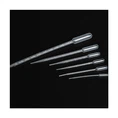
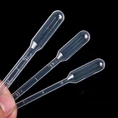
Pasteur pipettes are made of transparent plastic material.In the microscopic realm of the laboratory and the intricate operational settings of medical practice, the Pasteur pipette serves as a silently dedicated "tiny assistant."
Read More -

03
Mar
Pasteur pipettes are essential tools for sample collection and processing.In the context of medical diagnostics, the Pasteur pipette serves as an essential tool for sample collection and processing.
Read More -

02
Mar
The Working Principle of the Pasteur PipetteThe working principle of a Pasteur pipette is primarily based on gravity-driven flow and capillary action, combined with the manual control of air pressure differentials to facilitate the aspiration a
Read More -
01
Mar
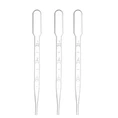
What is another name for a Pasteur pipette?Pasteur pipettes—also known as transfer pipettes—are manufactured from transparent low-density polyethylene (LDPE) material.
Read More